Frequently asked questions
FAQ about custom PVC card projects
Practical answers to help you choose the right format, material, personalization features and finishes for your PVC card project.
Which material should i choose for my PVC card project?
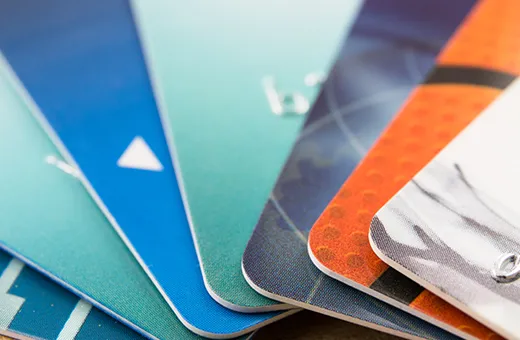
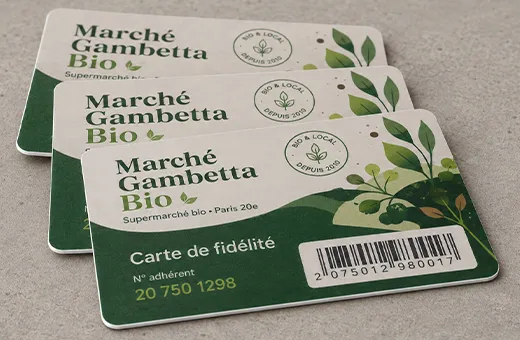
It depends on the intended use of the card. Standard PVC 0.76 mm is the most common choice for loyalty cards,
membership cards, gift cards and identification cards because it follows the usual ISO card standard and offers
a solid, durable feel. Thinner flexible materials are more suitable for lightweight or short-term applications,
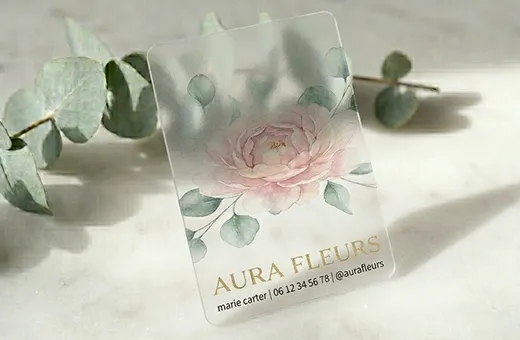
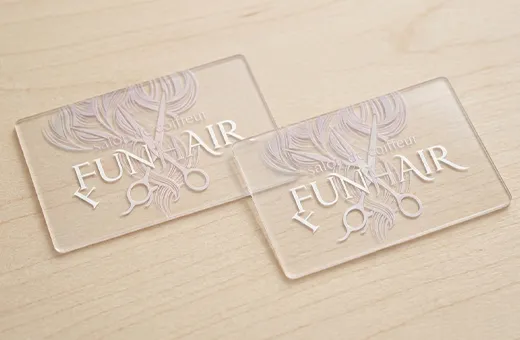
while transparent or translucent supports are often chosen for a more distinctive visual effect.
What is the difference between a barcode, a QR code, a magnetic stripe and RFID?
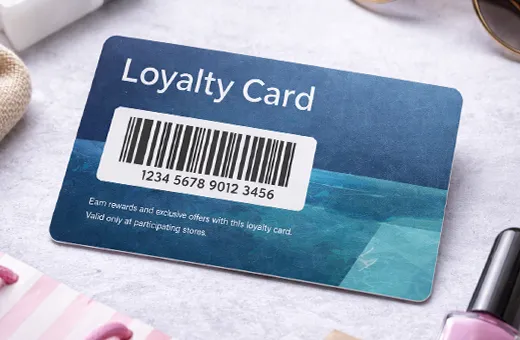
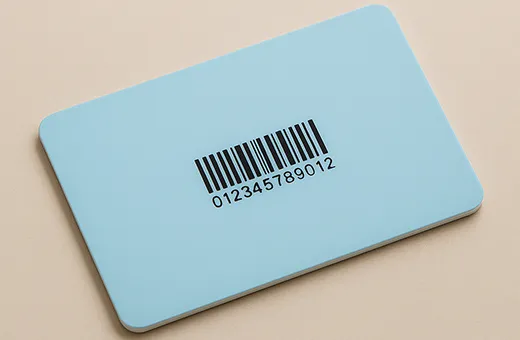
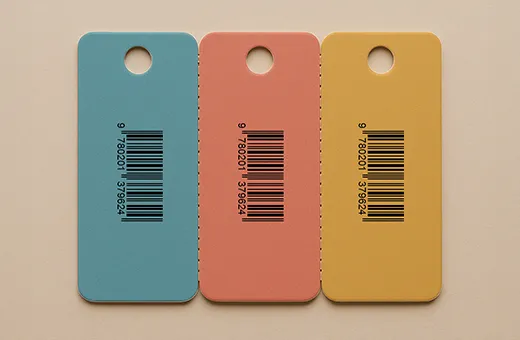
These options do not serve the same purpose. A barcode is generally used for simple scanning and identification.
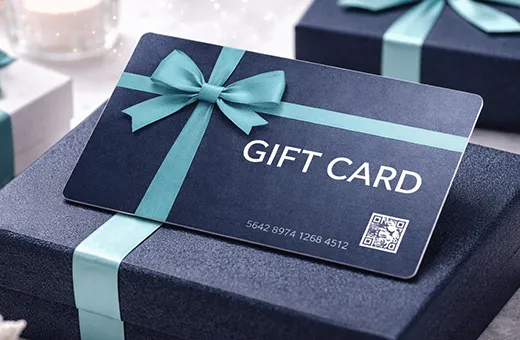
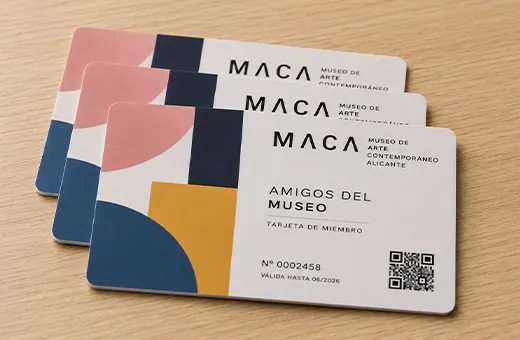
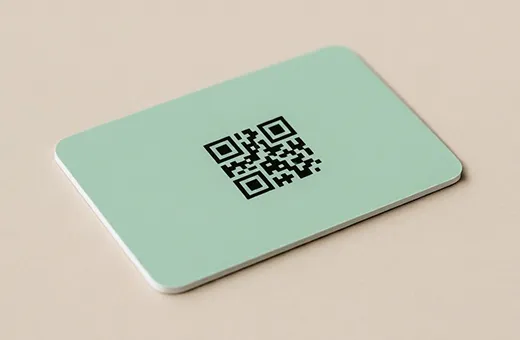
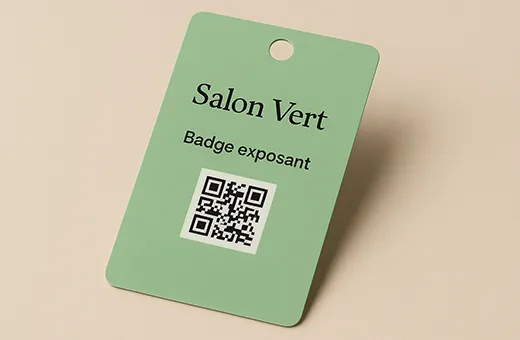
A QR code is more suitable when the card must lead to digital content, activation pages or online interaction.
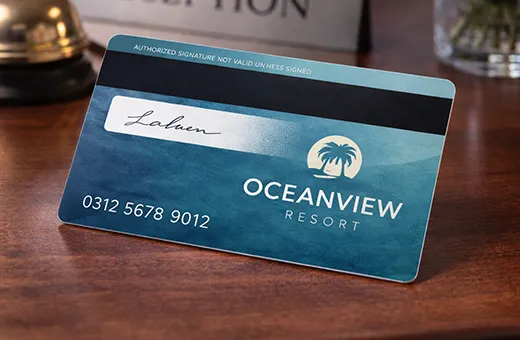
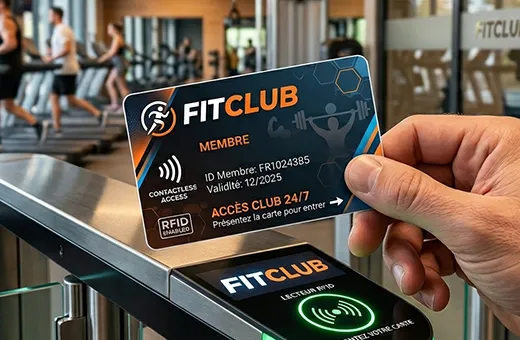
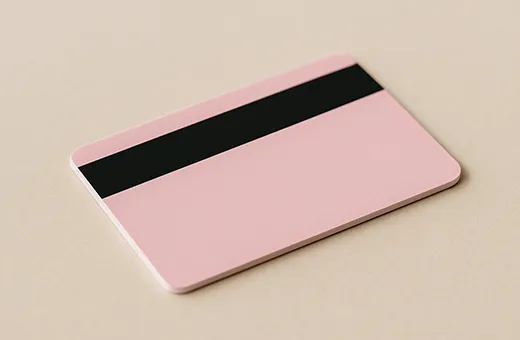
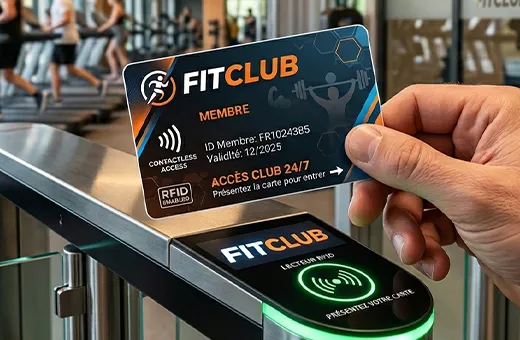
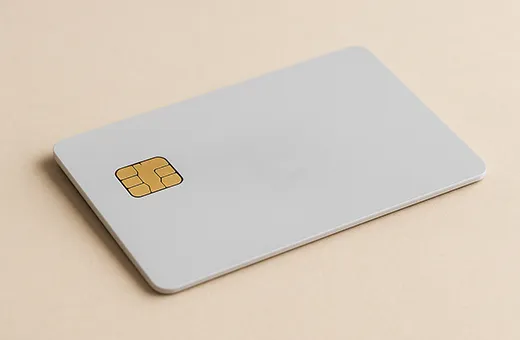
A magnetic stripe is common for hotel, access or legacy swipe systems. RFID or chip-based cards are more appropriate
for contactless access control, secure environments and specialist technical uses. The right option depends on the
equipment used by your business and on how the card will actually be read.
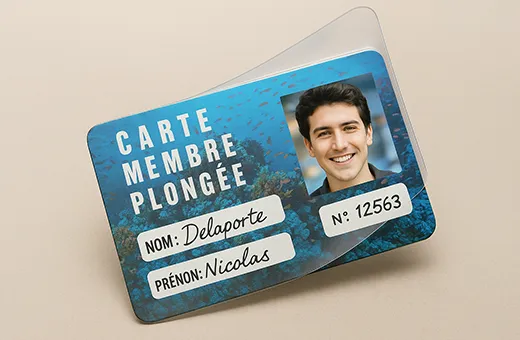
Can each card include different data such as a number, a name or a photo?
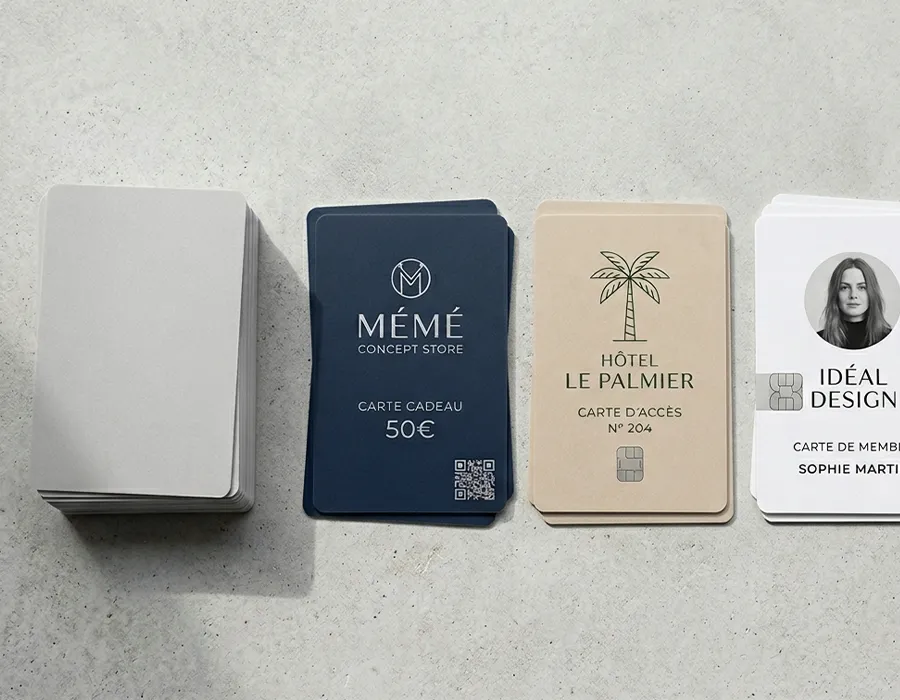
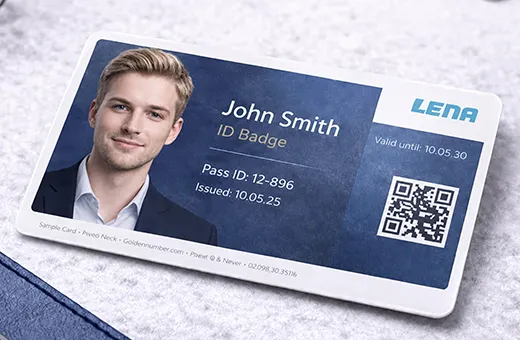
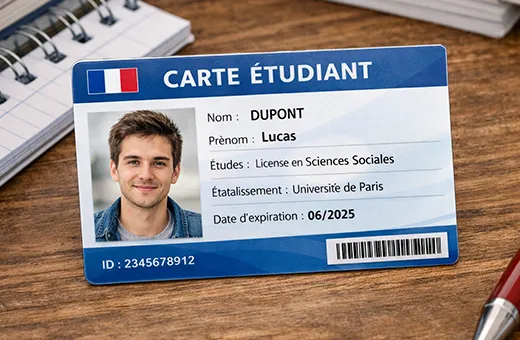
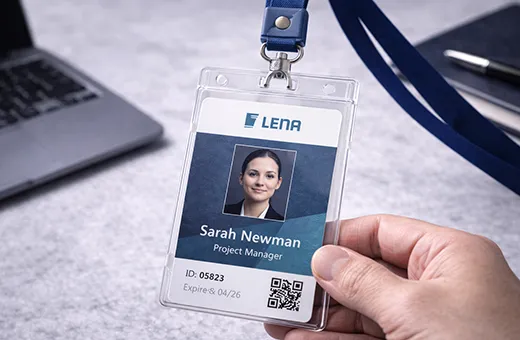
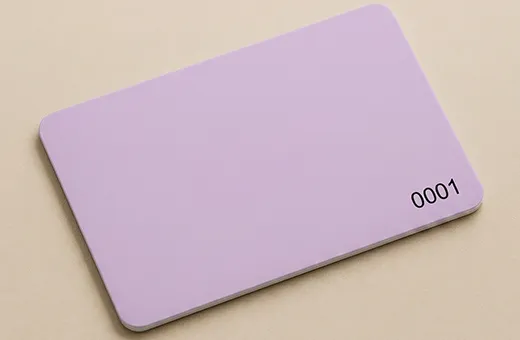
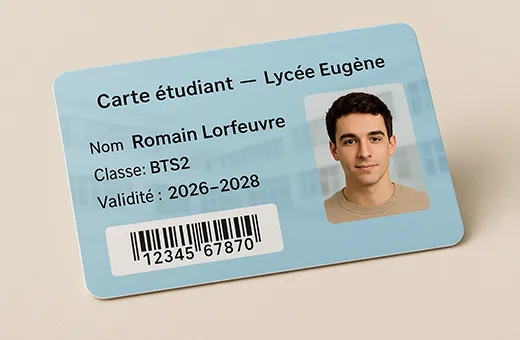
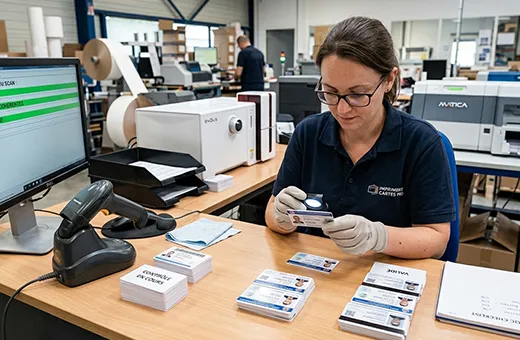
Yes. PVC cards can be personalized with variable data such as numbering, names, departments, functions, barcodes,
QR codes or photographs. This is especially useful for staff cards, student cards, membership programmes, visitor
badges and internal identification systems. To prepare this type of project efficiently, it is usually best to
provide a structured data file matching the required card fields.
Which finish is best for daily handling?
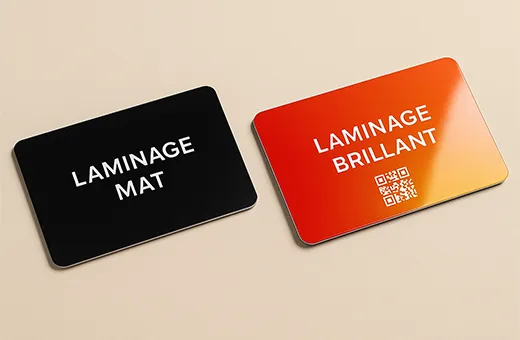
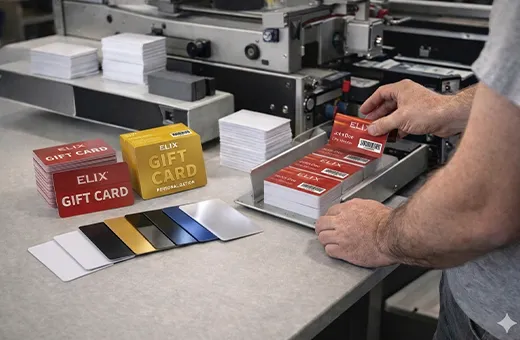
Gloss and matte lamination are the most common options for daily professional use. Gloss often gives a brighter,
more vibrant result, while matte usually creates a more understated and premium appearance with reduced glare.
The best choice depends on your design, your brand image and the way the cards will be handled. If the cards are
intended for repeated use, the finish should be chosen not only for appearance but also for reading comfort and
practical durability.
When should i choose premium options such as foil stamping, scratch-off ink or writable panels?
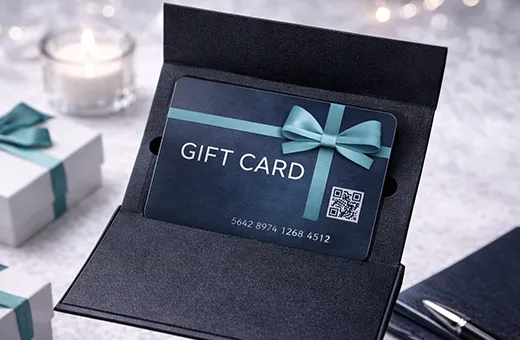
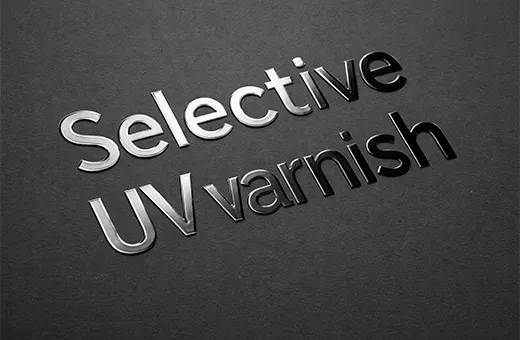
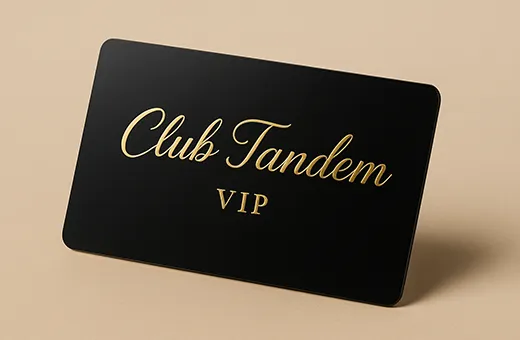
These options are relevant when the card needs to do more than simply identify. Foil stamping is useful when the
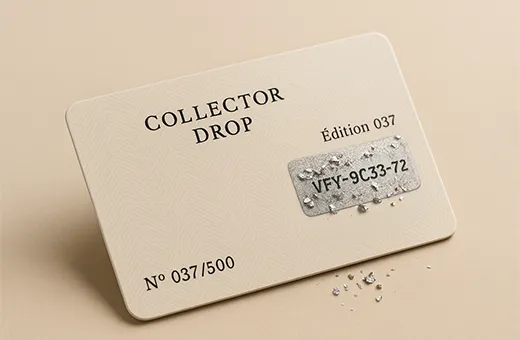
card must look more premium or gift-oriented. Scratch-off ink is suitable for hidden codes, promotional mechanics
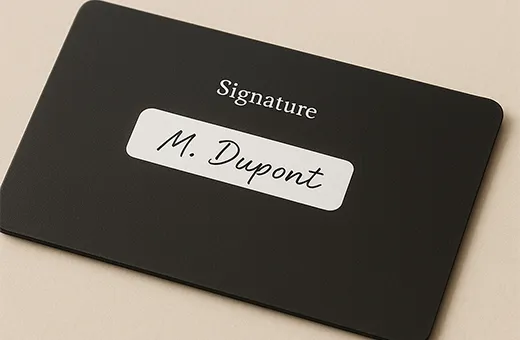
or secure reveals. Writable panels are helpful when some information needs to be added manually after production,
such as signatures, dates or temporary notes. The right option depends on the operational role of the card as much
as on its visual positioning.
Do i need to provide print-ready artwork and variable data files?
Ideally yes, especially for projects involving numbering, barcodes, QR codes, names or photos. A print-ready file
helps secure layout consistency, while a clean variable data file makes personalization more reliable. If your
project includes technical options such as magnetic stripe encoding or RFID, the functional specifications should
also be defined clearly from the start so the production setup matches the intended use.
What are the usual production times and where do you deliver?
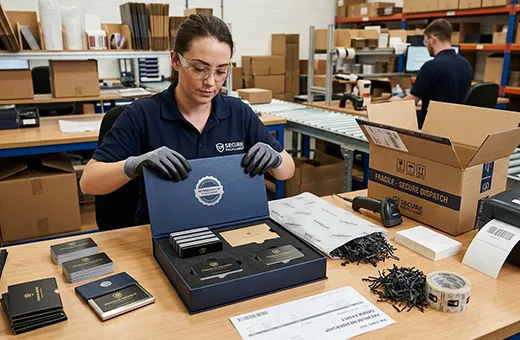
Standard production is usually completed within 6 to 10 working days from proof approval (8 to 15 with chip, magnetic stripe or embossing), depending on the product,
the level of personalization and the technical options involved. Shorter lead times may also be
available on selected configurations when the project is compatible with accelerated production — mention your deadline
in the quote request and we will confirm feasibility. Lumacards delivers across Europe and to the UK as standard with
tracked shipping. Delivery to other destinations can also be arranged on request depending on the project, the quantities
and the shipping constraints.
Can i receive a proof before production starts?
Yes. A proof is especially important for PVC card projects involving variable data, technical zones, magnetic stripes,
writable panels or several finishing options. It allows the layout, the positioning of key elements and the general
visual balance to be checked before launch. This step helps reduce errors and gives better control over the final result.
Can your team design the PVC card if we don't have artwork ready?
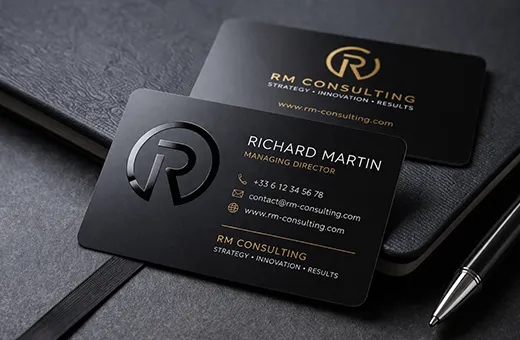
Yes. Two design routes alongside print-ready file orders, applicable across all our PVC card products (loyalty, gift, membership, student, business, smart, magnetic stripe). Template adaptation: share your brand identity and technical requirements (encoding, finishes, variable data) and we adapt an existing template to your brand. Full custom design: our designers create the card from scratch with two revision rounds. Both routes are quoted alongside the print order.